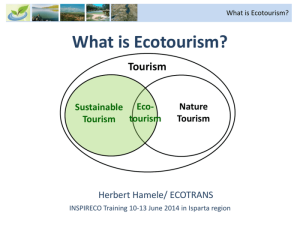
Embark on a journey through the vibrant landscapes of Africa with a focus on ecotourism, where environmental conservation and community empowerment take center stage. Explore the untamed beauty and rich cultural tapestry of this continent in a sustainable and responsible manner.
Discover the interconnectedness between nature, wildlife, and local traditions as we delve into the world of ecotourism in Africa.
Ecotourism in Africa
Ecotourism in Africa refers to responsible travel to natural areas that conserves the environment, sustains the well-being of local people, and involves interpretation and education. It plays a significant role in Africa as the continent is home to diverse ecosystems, wildlife, and cultures that can benefit from sustainable tourism practices.
Principles of Ecotourism in African Destinations
- Minimizing impact: Ecotourism in Africa focuses on reducing negative impacts on the environment and local communities through responsible practices.
- Respect for local culture: It involves respecting and engaging with the local culture, traditions, and customs of African communities.
- Supporting conservation efforts: Ecotourism helps fund wildlife conservation projects and protected areas in Africa, contributing to the preservation of biodiversity.
Benefits of Ecotourism for African Communities and Wildlife Conservation
- Economic opportunities: Ecotourism provides local communities in Africa with sustainable livelihoods through jobs in tourism, handicrafts, and other related industries.
- Promoting conservation: By raising awareness about the importance of conservation, ecotourism helps protect endangered species and habitats in Africa.
- Cultural exchange: Ecotourism encourages cultural exchange between tourists and local communities, fostering mutual understanding and respect.
Top Ecotourism Destinations in Africa
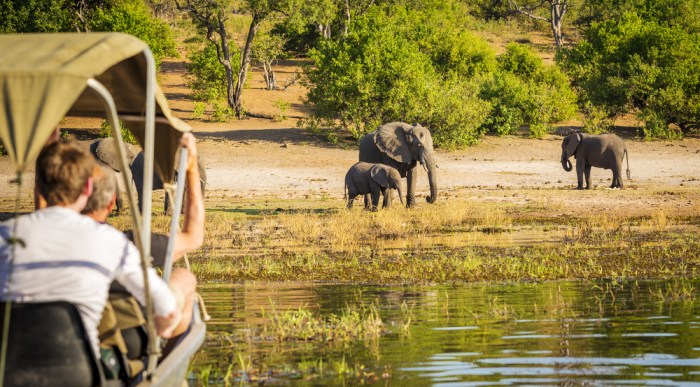
Africa is home to some of the most stunning and diverse ecotourism destinations in the world. These destinations not only offer breathtaking natural beauty but also prioritize sustainability and conservation efforts to protect the environment and wildlife.
1. Maasai Mara National Reserve, Kenya
Located in Kenya, the Maasai Mara National Reserve is famous for its vast savannahs, diverse wildlife, and the annual Great Migration of wildebeest. Visitors can enjoy game drives, hot air balloon safaris, and cultural interactions with the Maasai people. The reserve is committed to sustainable tourism practices to protect the ecosystem and wildlife.
2. Bwindi Impenetrable National Park, Uganda
Home to almost half of the world’s population of endangered mountain gorillas, Bwindi Impenetrable National Park in Uganda offers visitors a unique opportunity to trek through dense forests to observe these magnificent animals in their natural habitat. The park focuses on gorilla conservation efforts and community development projects to support local communities.
3. Okavango Delta, Botswana
The Okavango Delta in Botswana is a UNESCO World Heritage Site known for its intricate network of waterways, lagoons, and islands. Visitors can explore the delta on mokoro (traditional canoe) safaris, guided walks, and boat cruises to observe a variety of wildlife, including elephants, hippos, and crocodiles. Conservation efforts in the delta aim to protect the fragile ecosystem and wildlife populations.
4. Serengeti National Park, Tanzania
The Serengeti National Park in Tanzania is renowned for its vast plains, diverse wildlife, and the annual migration of millions of wildebeest and zebra. Visitors can witness thrilling wildlife encounters on game drives, balloon safaris, and walking safaris. The park is dedicated to conservation efforts to preserve the natural habitat and biodiversity of the Serengeti.
5. Virunga National Park, Democratic Republic of Congo
Virunga National Park in the Democratic Republic of Congo is Africa’s oldest national park and home to endangered mountain gorillas, chimpanzees, and other rare species. Visitors can trek to see gorillas, hike volcanoes, and explore lush forests. The park is committed to conservation initiatives, including anti-poaching efforts and community development projects.
Wildlife Conservation and Ecotourism
Ecotourism and wildlife conservation in Africa are closely intertwined, as the revenue generated from responsible ecotourism practices often directly funds conservation efforts. By attracting visitors to experience the beauty of Africa’s natural habitats and wildlife, ecotourism provides a sustainable way to support the protection of endangered species and their habitats.
Successful Conservation Projects Supported by Ecotourism
- Volcanoes National Park in Rwanda: The park’s gorilla trekking tours have not only raised awareness about the critically endangered mountain gorillas but also provided vital funds for their protection and habitat conservation.
- Maasai Mara Conservancies in Kenya: Collaborations between local Maasai communities and tourism operators have led to the establishment of conservancies that protect wildlife corridors and promote sustainable land management practices.
- Okavango Delta in Botswana: The sustainable tourism model in the delta has helped preserve the fragile ecosystem and support anti-poaching efforts, ensuring the protection of iconic species like elephants and lions.
Challenges and Controversies Surrounding Wildlife Tourism in Africa
- Overcrowding and habitat degradation: Popular tourist destinations can suffer from overcrowding, leading to negative impacts on wildlife habitats and behaviors.
- Poaching and illegal wildlife trade: The presence of tourists, especially in remote areas, can inadvertently attract poachers looking to exploit vulnerable species for financial gain.
- Human-wildlife conflict: As tourist activities increase, conflicts between local communities and wildlife can arise, especially when predators pose a threat to livestock or human safety.
Cultural Experiences in African Ecotourism
Exploring the rich cultural aspects of ecotourism in Africa allows visitors to immerse themselves in the traditions and customs of local communities while supporting sustainable tourism initiatives.
Local Community Engagement
- Local communities play a crucial role in ecotourism initiatives across Africa, often serving as guides, artisans, and hosts for visitors.
- By involving local communities, ecotourism helps to empower and support these groups economically while preserving their cultural heritage.
- Community-based ecotourism projects also promote environmental conservation and awareness among residents, fostering a sense of stewardship for natural resources.
Preservation of Traditional Practices
- Through ecotourism activities, traditional practices, rituals, and customs are preserved and shared with visitors, ensuring that cultural heritage is passed down to future generations.
- Visitors can participate in cultural ceremonies, traditional dance performances, and artisan workshops to gain a deeper understanding of local customs and way of life.
- By engaging with local communities in cultural experiences, ecotourists contribute to the preservation and celebration of Africa’s diverse cultural heritage.
As we conclude our exploration of ecotourism in Africa, remember that every journey can make a difference. By supporting sustainable travel practices, we contribute to the preservation of Africa’s natural wonders and the well-being of its communities. Let’s continue to travel responsibly and protect the treasures of this diverse continent for future generations to enjoy.
Essential Questionnaire
What is the main goal of ecotourism in Africa?
Ecotourism in Africa aims to promote sustainable travel practices that support wildlife conservation and benefit local communities.
How does ecotourism contribute to wildlife conservation in Africa?
Ecotourism generates funds that can be used for conservation projects, helps raise awareness about endangered species, and provides economic incentives for protecting wildlife habitats.
Are there any challenges associated with wildlife tourism in Africa?
Some challenges include maintaining a balance between tourism activities and wildlife protection, minimizing negative environmental impacts, and addressing issues related to over-tourism in certain areas.